
I got into bicycle riding, as an adult, back in 1988. I wanted to lose weight and increase stamina. The bike I bought was the lightest bike I’d ever ridden (23.5 lbs.) and was so easy to ride. It was an eye-opener. It was my first “non-toy” bicycle.
I had a 15 mile route along Texas 287’s frontage road in south Arlington that I rode regularly. I rode alone and I pushed myself. I wasn’t competing with anyone but myself. One morning, as I was getting out of bed, my wife at the time exclaimed, “Look at your LEGS!”
My thighs were much larger than they’d ever been before, but the change was gradual enough that I was shocked at the change. From that moment, I used bicycling as my primary form of exercise.
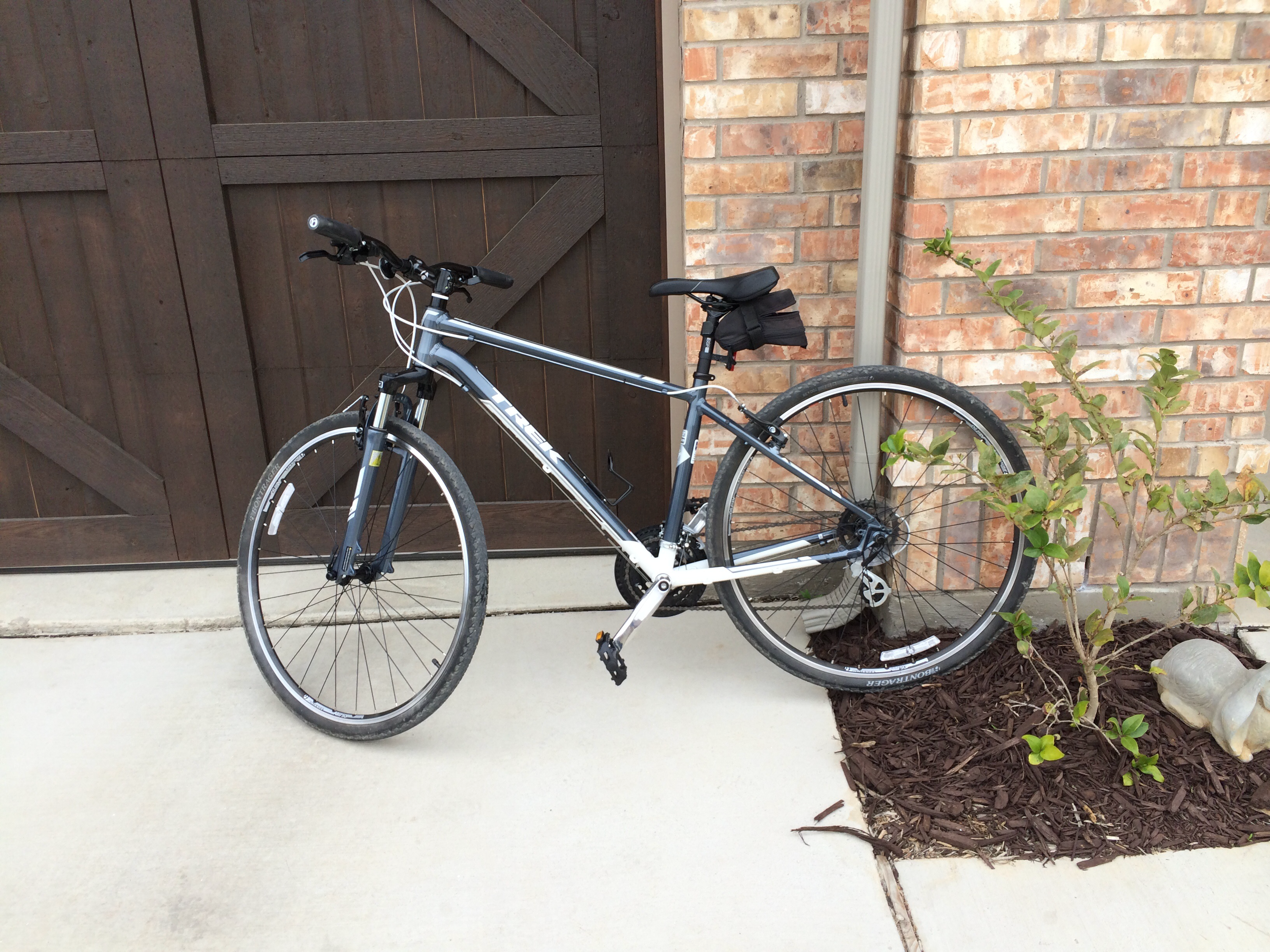
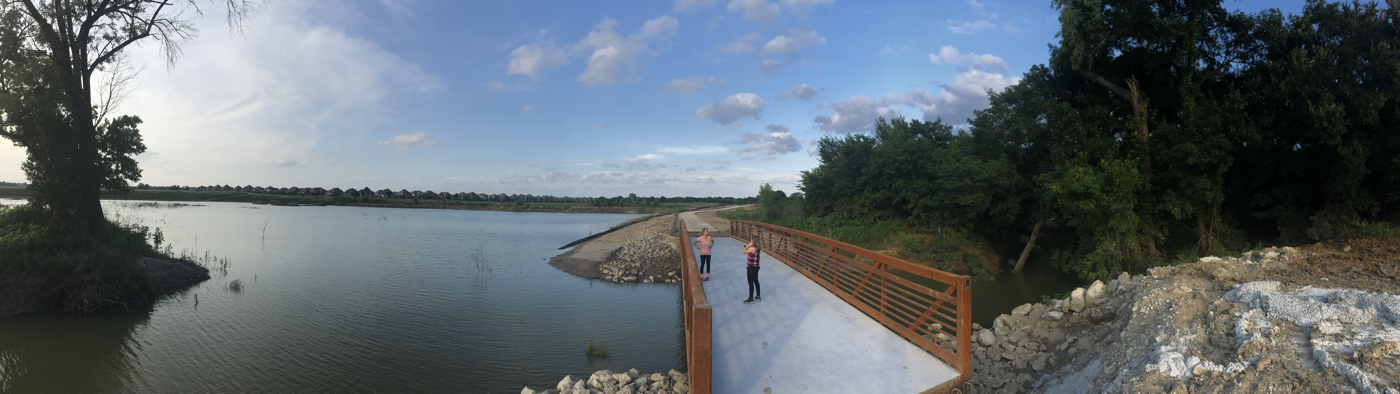
When Bonnie and I moved to Fort Worth, 25 years later, I decided it was time for a new bike. Within a couple years of moving, the Trinity Trails Bike Trail System was extended at its east end and, as luck would have it, passed within 1/3 of a mile from my driveway.
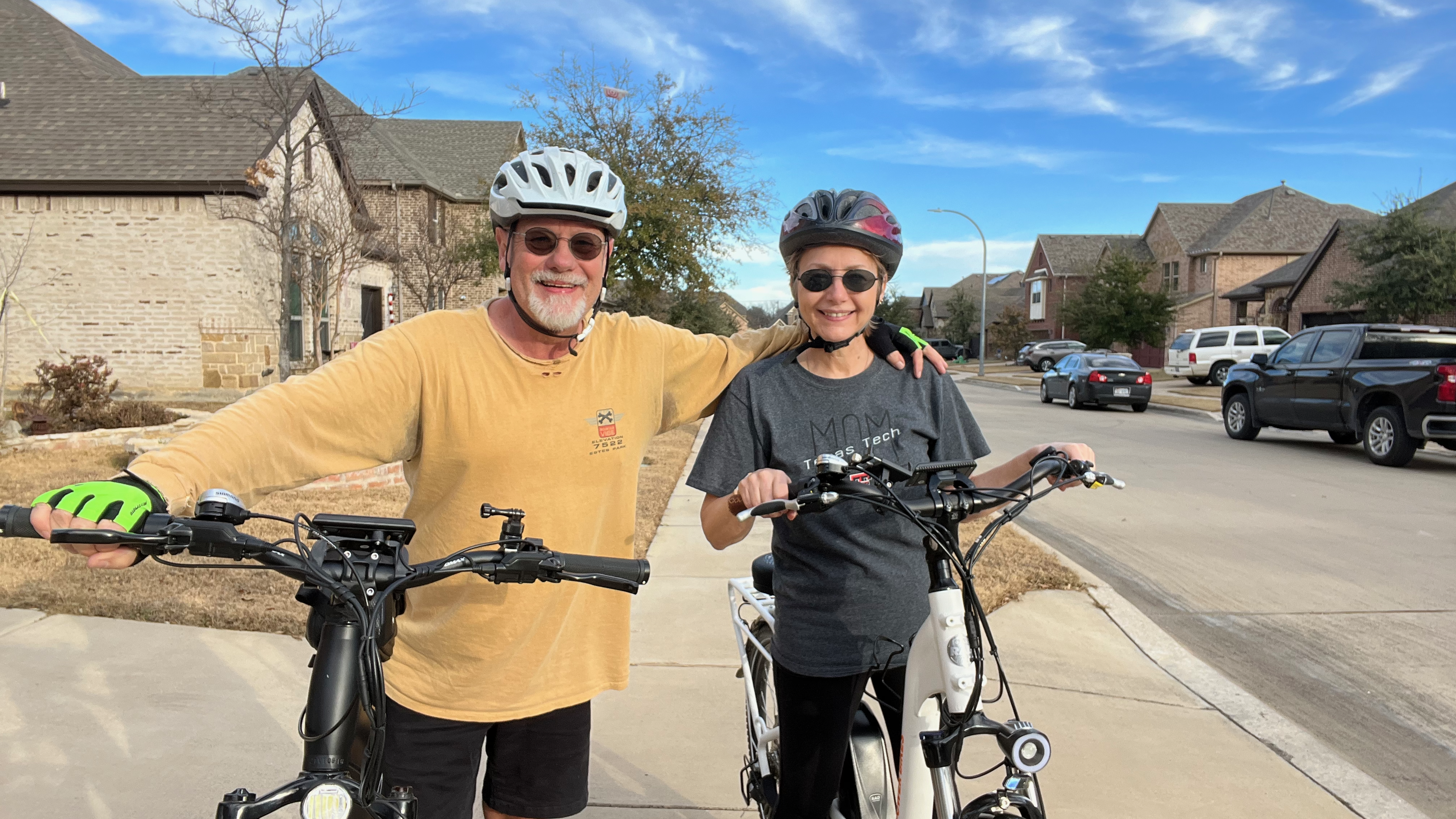
I tried to get my wife Bonnie to ride with me, but 25+ years of bicycling, she could not keep up with me and I could not ride slowly enough. A neighbor had two e-bikes they had bought for their teenagers, but the teenagers weren’t interested. The couple listed the bikes and my wife saw the ad and asked me to check them out. I really liked the Rad Power bike and we bought one for her.

I did not get one for myself for two reasons: 1) the other e-bike had already sold and 2) I thought of e-bikes as a cheat. I rode for exercise and an e-bike would be doing some of the work for me, so I wouldn’t get the full benefit of the exercise.
We started riding together and it was wonderful. What I came to realize was e-bikes could keep me riding much later in life by helping my knees and hips handle steep climbs, when I need help, and let me do most of the work the rest of the time to get my exercise. They also could give my wife time to share.
I decided to get an e-bike as well.
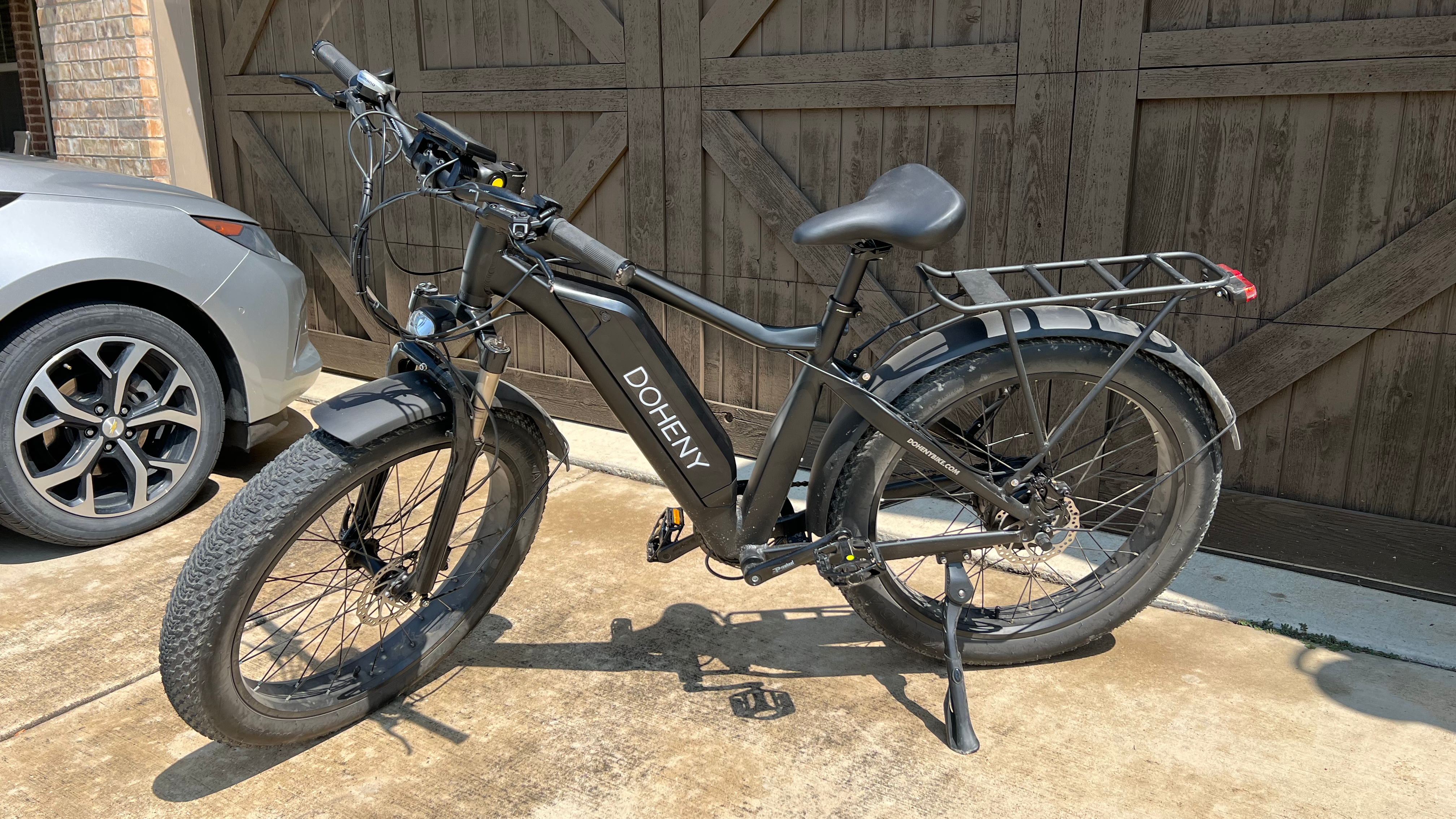
I bought a Doheny Cruiser, but it was too tall for me. I tried it for a while and decided I didn’t like the 4″ fat tires and height. I sold it and bought a Denago Commute 1 Step Thru. The tire diameter is smaller (2-1/8″ vs. 4″) and I prefer that. We ride our e-bikes regularly, averaging about 25-30 miles per ride. We are both in our 60s. I use the lowest pedal assist setting for most of my riding and end up sweaty, breathing hard and tired like I did on my manual bike. The benefit is that, with an e-bike, if an uphill patch is hard on my hip or knee joints, I can increase the assist enough to reduce the strain but still benefit from the effort. On my typical rides, almost all of my riding is at the lowest level (1) of assist. There are some steep climbs out of the Trinity River crossings where I usually increase to level 2 or 3 for the climb. This approach has increased my battery range to a level much higher than the advertised 60 miles, just like having a lighter foot on the accelerator increases your range in any car.
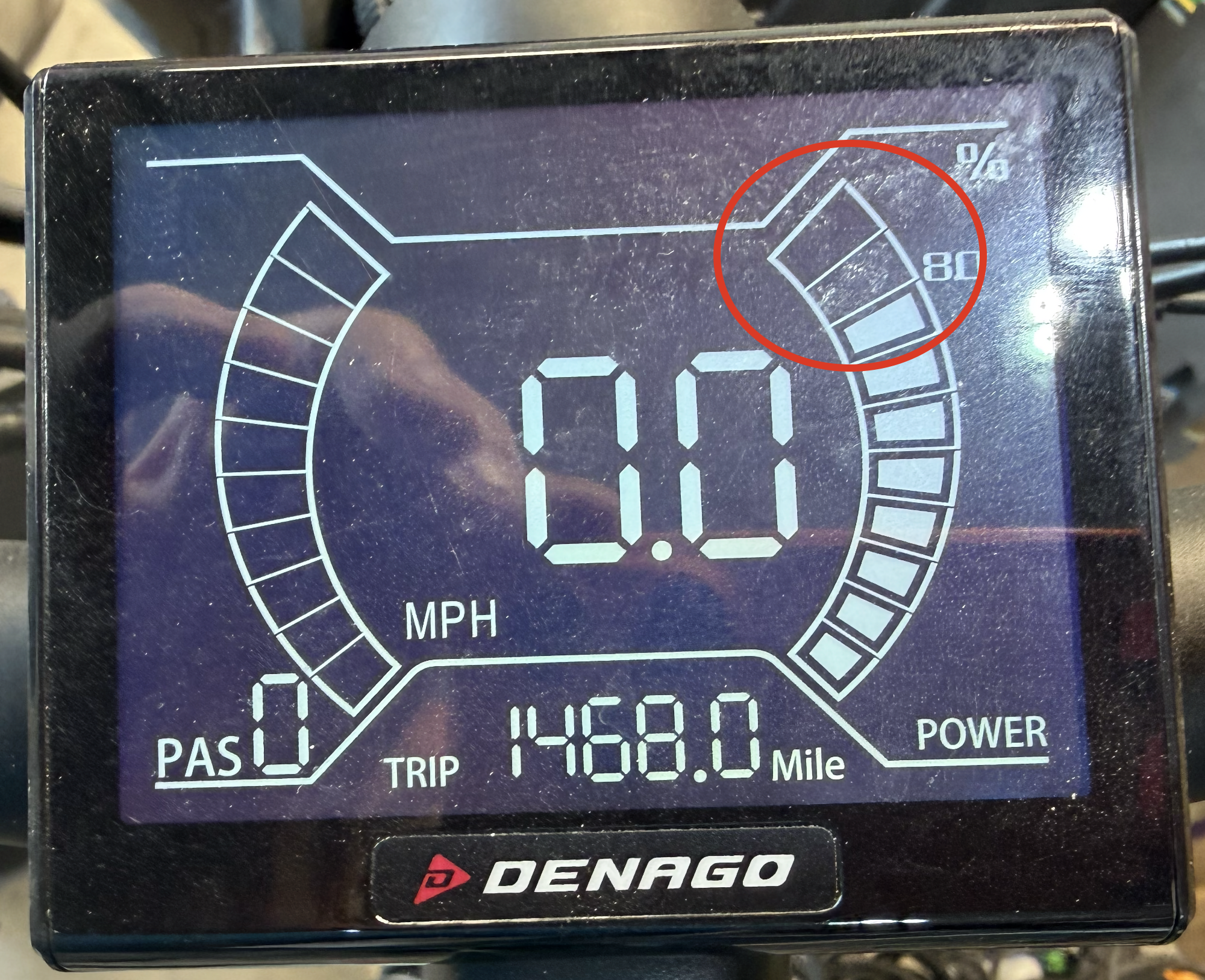
Since I’m using the battery sparingly, I definitely am getting much more range, but I’m not sure how much. I try not to drain the battery completely, as that is not healthy for the it, so I don’t have an exact number. My guess it’s somewhere slightly around 280 miles.
Here’s my approach, based on my riding habits: The Denago’s “dashboard” shows bars rather than a more exact “percentage used” or “percentage left” number. I had three rides recently, totaling 83.6 miles. During the next ride, I happened to notice when the 3rd bar on battery percentage disappeared. It was at the 9.5 mile mark. Adding the 9.5 miles to the previous miles on that same charge (83.6), I had used 30% of the battery’s range, going 93.1 miles. If the battery depletion is linear, you can solve for total range of my actual use model. Total Range = Distance ridden (93.1 miles) ÷ percentage of battery used (30%, or 0.3). Based on that, I should be able to ride 310 miles on a full charge! This just seems crazy, so I’m starting to suspect the usage meter is not linear, much like the gas gauges, back in the 1970s seems to use gasoline quickly when the tank was full and more slowly as it got close to empty. In any case, I believe the bike can go at least twice its stated range on a single charge.
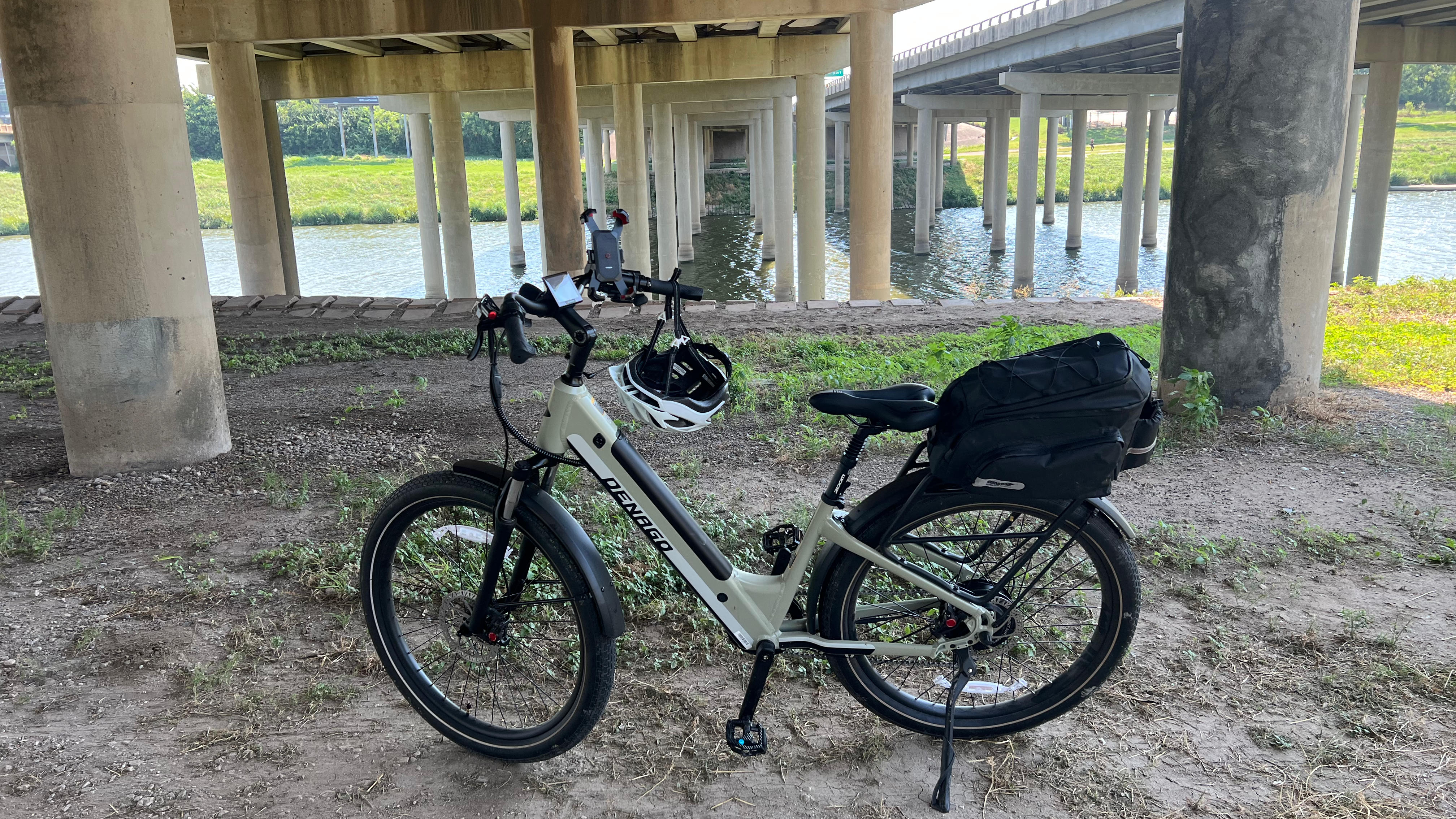
My health has benefitted from riding an e-bike. I am able to ride farther. I am keeping my heart rate elevated longer than on a manual bike. My weight has dropped from 163 pounds a year ago to 149 now. 149 is just seven pounds above my target weight of 142. My energy level is much higher than before and I am taking on more projects around the house rather than sitting, watching TV.
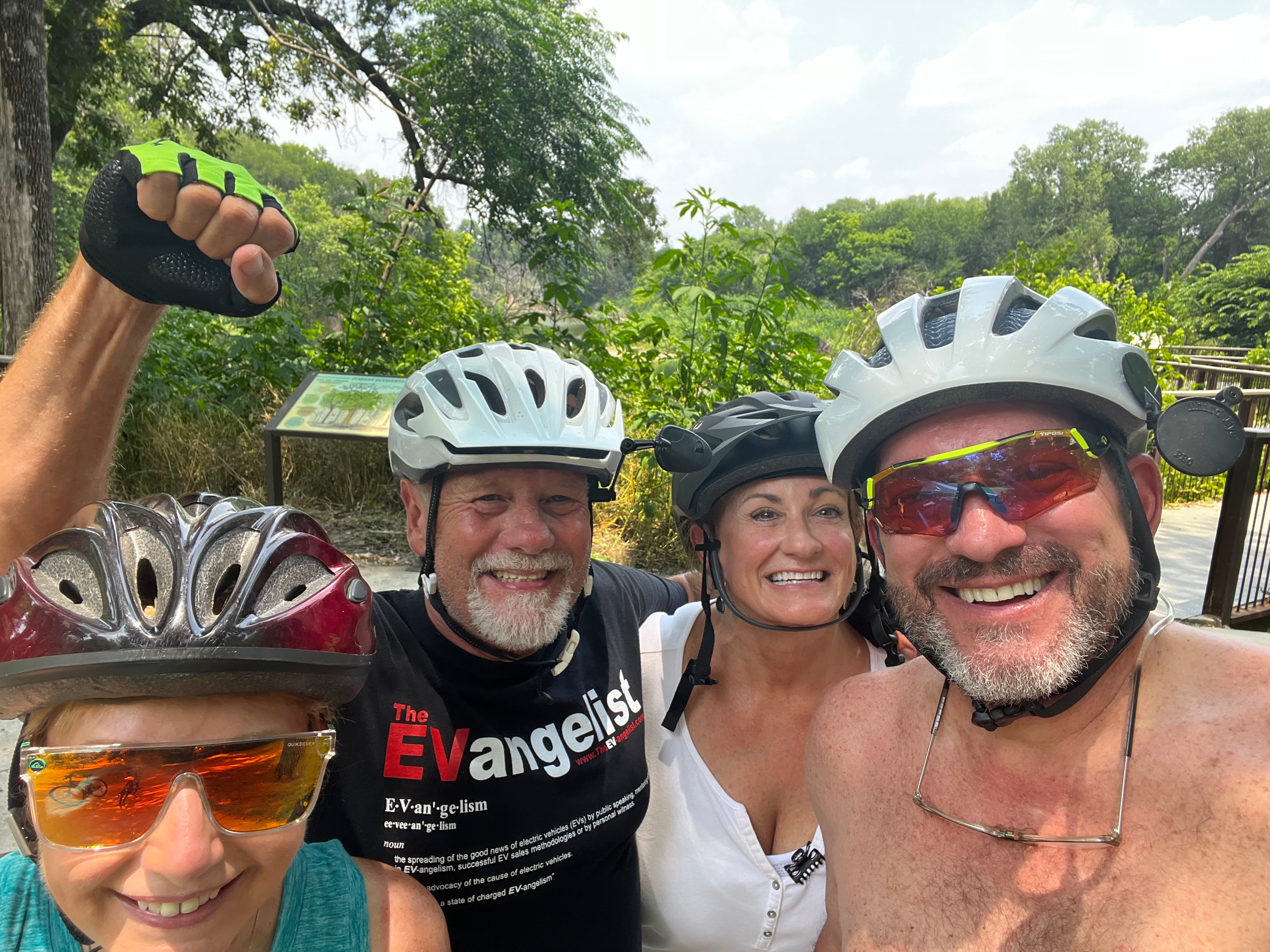
Bottom line: We hope to be riding into our 80s and our e-bikes are part of the strategy to live long enough to do so. If you haven’t ridden an e-bike yet, visit a local bike store and try them out. I am looking for a replacement for my Denago now. I want a bike that has a torque sensor rather than a cadence sensor which I have now and recommend you take a look at that option as well.